Source Leather Edge Gluing Machine for Bags, Shoes, Upholstery
Find and compare 30 leather edge gluing machine options for footwear, bag manufacturing, and upholstery projects. Evaluate specifications like automatic grade, power consumption, and glue type to select the right equipment for your production line needs; compare the available evidence and request quotations based on your requirements.
Key considerations
Products List




Comprehensive Sourcing Guide
Leather Edge Gluing Machine Sourcing Guide
The leather edge gluing machine market presents a diverse array of automated and semi-automated solutions designed for specific manufacturing workflows. Buyers must distinguish between heavy-duty industrial units capable of handling high-volume production and lighter, specialized machines intended for shoemaking lines or small-batch customization. The observed product landscape includes models with varying power ratings, from 0.12kw to 2.0kw, indicating that energy consumption and throughput capabilities differ significantly across available listings.
Procurement decisions should prioritize the specific application requirements, such as whether the machine is intended for textiles, chemical processing, or dedicated upper bag folding. The presence of both hot melt particle adhesive systems and cold glue technologies suggests that the choice of adhesive type is a critical factor in machine selection. Buyers need to evaluate if the machine's driven type, whether electric or otherwise, aligns with their existing factory infrastructure and operational speed expectations.
Product Scope and Observed Listing Signals
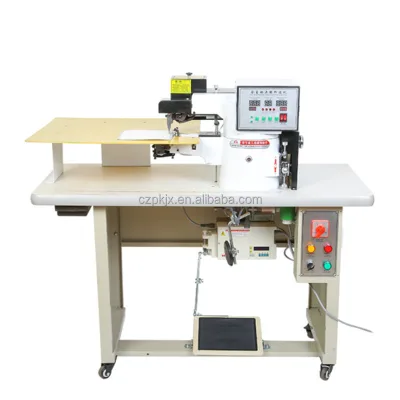
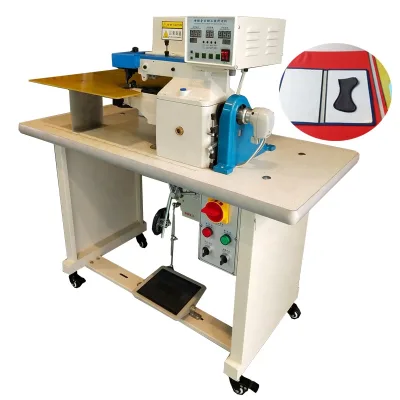
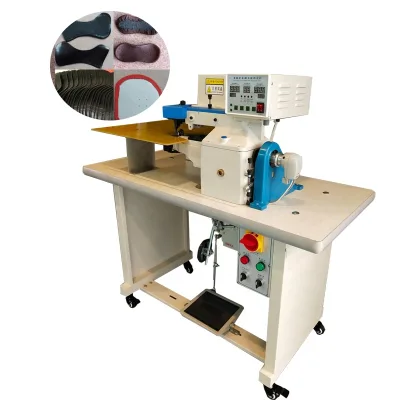
Listing signals reveal a wide spectrum of machine configurations, ranging from compact units weighing 35kg to robust industrial systems exceeding 150kg. The observed dimensions vary from 810290300mm to larger footprints of 12005501160mm, reflecting the diverse spatial requirements of different production environments. Some listings explicitly mention a single package size of 122X55X116 cm, while others indicate smaller packaging dimensions, necessitating careful verification of shipping logistics and warehouse capacity.
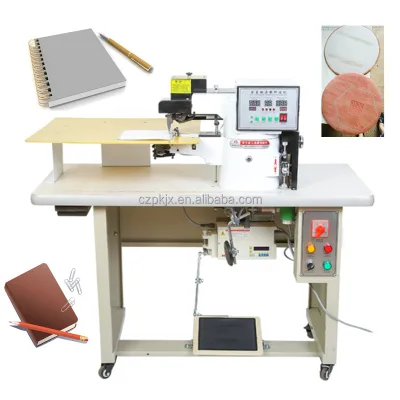
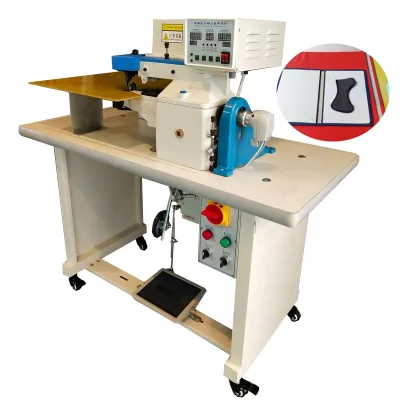
Buyers should scrutinize the product name and functional description to ensure alignment with their specific needs, such as "Automatic Gluing Folding Machine" versus "Coating Latex Gluing Machine." The availability of customization options and the condition of the equipment, often listed as new, are vital indicators for procurement planning. Additionally, the distinction between fully automatic edge folding machines and semi-automatic models directly impacts the labor intensity and skill level required for operation.
Technical Specifications to Verify
Technical verification must begin with the power consumption and voltage compatibility, as observed listings show ratings like 1.2kw and 0.12kw operating at 220v/50hz. Ensuring the machine's electrical requirements match the facility's power supply is essential to prevent operational failures or the need for costly transformers. The heating time, observed in some models as 5-7 minutes, is another critical parameter that influences cycle times and overall production efficiency.
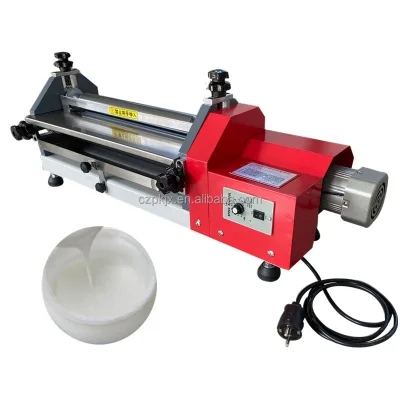
The glue application system requires detailed scrutiny, specifically the glue width capabilities which range from 3-14mm to 400mm depending on the model. Buyers must confirm whether the machine utilizes hot melt glue or cold glue, as this dictates the adhesive supply chain and safety protocols. Furthermore, the automatic grade, whether fully automatic or semi-automatic, determines the level of human intervention required and the consistency of the final edge finish.
Compliance and Safety Documentation
Safety compliance is paramount when sourcing industrial machinery, particularly those involving heating elements and adhesive application. Buyers should request machinery test reports, which are noted as provided in several listings, to verify that the equipment meets international safety standards for electrical and mechanical operations. The presence of a warranty, typically listed as one year, serves as a baseline indicator of the manufacturer's confidence in the product's durability and safety features.
Documentation regarding the glue type and technical characteristics, such as cold or hot melt systems, must be reviewed to ensure adherence to local environmental and occupational health regulations. The packaging material, often wood or film, should be inspected to confirm it meets export standards and does not introduce contaminants to the production floor. Buyers must also verify that the machine's condition and automatic grade align with the safety training protocols required for their specific workforce.
Cost Drivers and Commercial Terms
Cost drivers in this sector are heavily influenced by the machine's automation level, power rating, and the complexity of its gluing mechanism. The observed price range of 458 to 34,000 USD reflects the significant variance between basic semi-automatic units and advanced fully automatic systems with extensive features. Buyers should analyze the total cost of ownership, including energy consumption differences between 0.12kw and 2.0kw models, rather than focusing solely on the initial purchase price.
Commercial terms such as the minimum order quantity, observed as 1 unit in the data, and the selling units structure offer flexibility for small and large buyers alike. The single gross weight, ranging from 45kg to 130kg, directly impacts shipping costs and insurance premiums, which should be factored into the final budget. Buyers must also consider the lead time and the availability of spare parts, as these factors can significantly affect the operational continuity of the production line.
Supplier Qualification and Quality Control
Supplier qualification requires a thorough review of the place of origin and the manufacturer's track record in producing specialized gluing equipment. Listings indicate origins in Hebei and Jinjiang, regions known for manufacturing industrial machinery, but buyers must verify the specific factory's quality control processes and export history. The availability of a machinery test report is a strong indicator of a supplier's commitment to quality assurance and product reliability.
Quality control checks should extend to the physical attributes of the machine, such as the weight, dimensions, and the robustness of the packaging material. Buyers should inspect the product standard and model number consistency to ensure that the delivered unit matches the specifications agreed upon in the contract. The condition of the machine, whether new or refurbished, and the availability of customization options are also critical factors in assessing the supplier's ability to meet specific production requirements.
Long-Term Procurement Checks
Long-term procurement success depends on the availability of technical support and the durability of the machine's core components. Buyers should verify the warranty terms and the supplier's policy on providing replacement parts for critical components like the heating elements and glue dispensing systems. The observed warranty period of one year is a standard benchmark, but buyers should negotiate extended coverage for high-utilization environments to mitigate long-term risks.
Regular maintenance checks and the availability of technical documentation are essential for sustaining machine performance over time. Buyers must ensure that the machine's automatic grade and driven type allow for easy troubleshooting and minimal downtime during operation. Establishing a clear communication channel with the supplier for ongoing support and updates on technical characteristics will help maintain the efficiency and reliability of the leather edge gluing process.
FAQs
What is the typical heating time for automatic gluing folding machines?
The typical heating time for automatic gluing folding machines is 5-7 minutes. This duration ensures the hot melt particle adhesive reaches the optimal viscosity for bonding. Operators should verify the machine's electric drive status before starting the cycle to maintain consistent production speeds and adhesive quality.
Can leather edge gluing machines be customized for specific production needs?
Yes, leather edge gluing machines can be customized for specific production needs. Manufacturers often offer available customization options to adapt the equipment to unique workflow requirements. Buyers should consult suppliers directly to discuss specific dimensional or functional modifications that align with their manufacturing capabilities.
What is the power consumption of a standard automatic gluing unit?
The power consumption of a standard automatic gluing unit is typically 1.2kw. This electric-driven machinery operates on 220v/50hz voltage. The energy efficiency supports continuous operation while keeping utility costs manageable for textile and chemical application environments requiring reliable adhesive bonding performance.
Which glue types are compatible with these automatic folding machines?
Hot melt particle adhesive and hot melt glue are compatible with these automatic folding machines. Some models also support cold glue applications for specific material requirements. The glue width typically ranges from 3-14mm, allowing precise application for various edge finishing tasks in shoemaking and bag production lines.
What warranty is provided for new automatic gluing equipment?
A 1 Year warranty is provided for new automatic gluing equipment. This coverage ensures support for core components and general machinery performance. Buyers should retain the provided machinery test report as proof of initial quality standards and to facilitate any warranty claims during the coverage period.
How heavy is a typical automatic gluing folding machine?
A typical automatic gluing folding machine weighs between 120kg and 150kg. The single gross weight is often listed around 130.000 KG for shipping purposes. This weight reflects the robust construction required for stable operation during high-speed folding and gluing processes in industrial settings.